BEHIND THE PODIUM
Welcome to the science behind the podium, where I expand on my presentation topics. If you’ve attended a talk—thank you! On stage, time is limited, so here I delve deeper into nature’s wonders with scientific details and research. I’ll share stories from my work and insights not covered in presentations. Join me in exploring our planet with curiosity.
Nature’s Light Show
Our glowing planet.
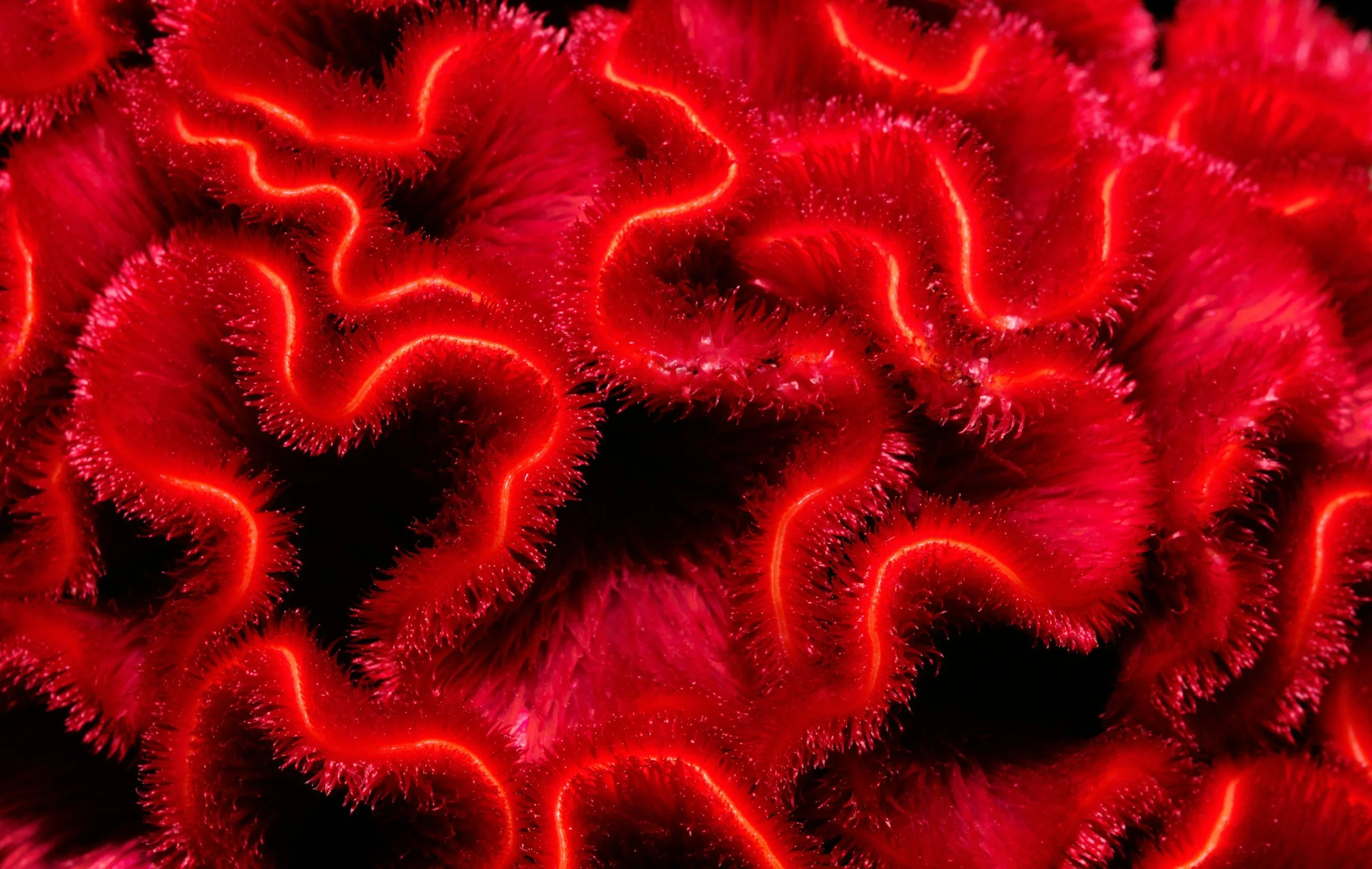
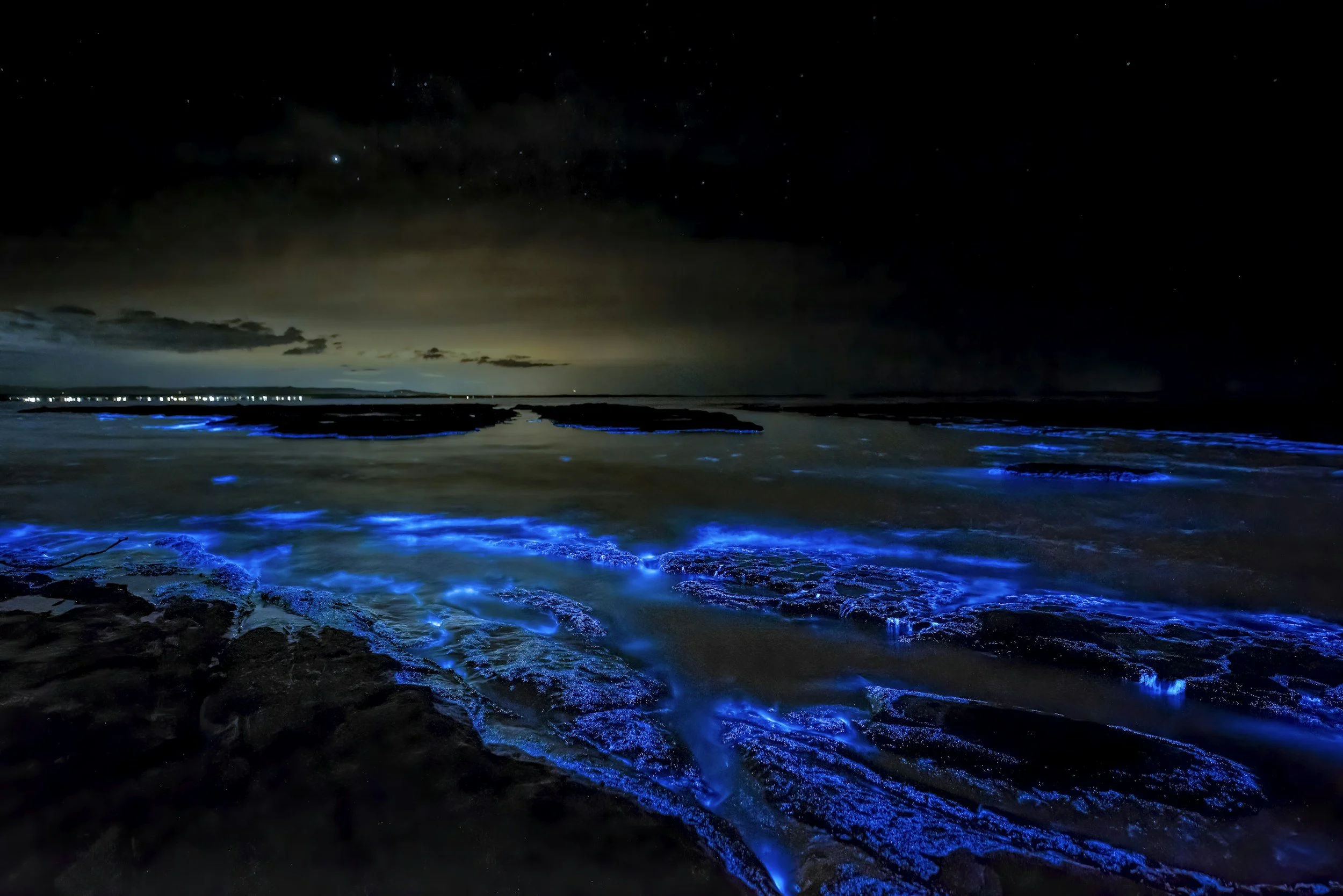
Light in nature manifests in astonishing and diverse forms, from the gentle shimmer of bioluminescent organisms to the vibrant hues of biofluorescent creatures and the breathtaking spectacle of the aurora dancing across polar skies. These natural sources of glow are not only captivating visual phenomena but also intricate biological and physical processes that reveal much about life, chemistry, and Earth's interaction with space. Bioluminescence, the ability of living organisms to produce light chemically, illuminates the deep oceans and forest floors, aiding in communication, predation, and camouflage. Biofluorescence, on the other hand, involves the absorption and re-emission of light at different wavelengths, creating hidden colors often invisible to the human eye without ultraviolet light. Beyond Earth, the aurora—resulting from charged solar particles colliding with the atmosphere—paints the planet’s poles with ethereal ribbons of glowing color, linking terrestrial life to the cosmic environment. Together, these phenomena showcase nature’s profound capacity for light, bridging biology, chemistry, and physics in a luminous tapestry.
Sex in the Sea
The weird and wonderful world of reproduction in the ocean.
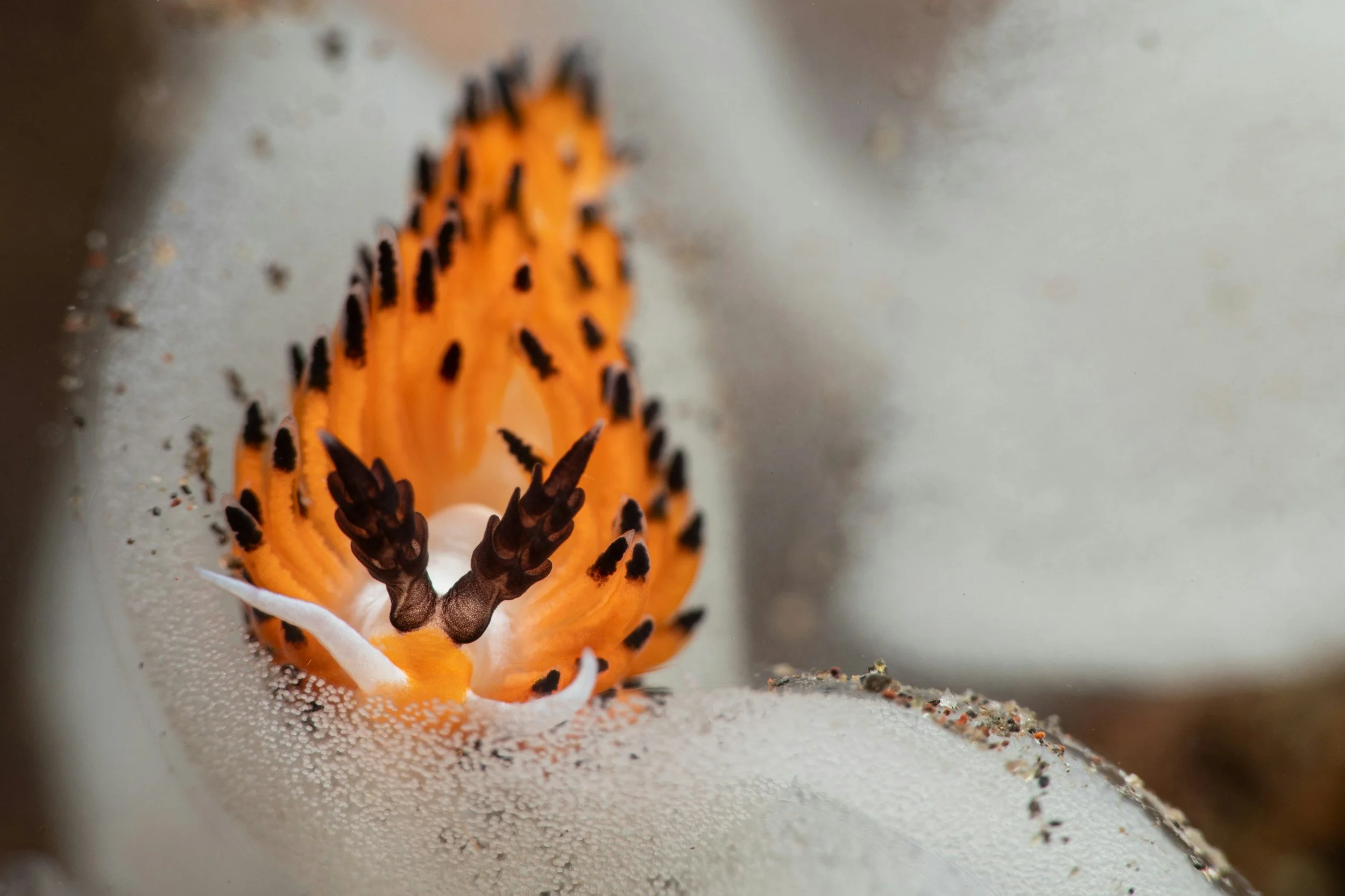
The ocean's realm of reproduction is a landscape of extraordinary and often bizarre strategies. From hermaphroditic anglerfish that fuse with their mates to release sperm and eggs simultaneously, to broadcast spawners casting millions of gametes into the water where fertilization occurs by chance, marine life showcases a vast array of adaptations that challenge our traditional understanding of reproduction. In this underwater world, the drive to reproduce has cultivated some of the most unusual and fascinating behaviors in nature.
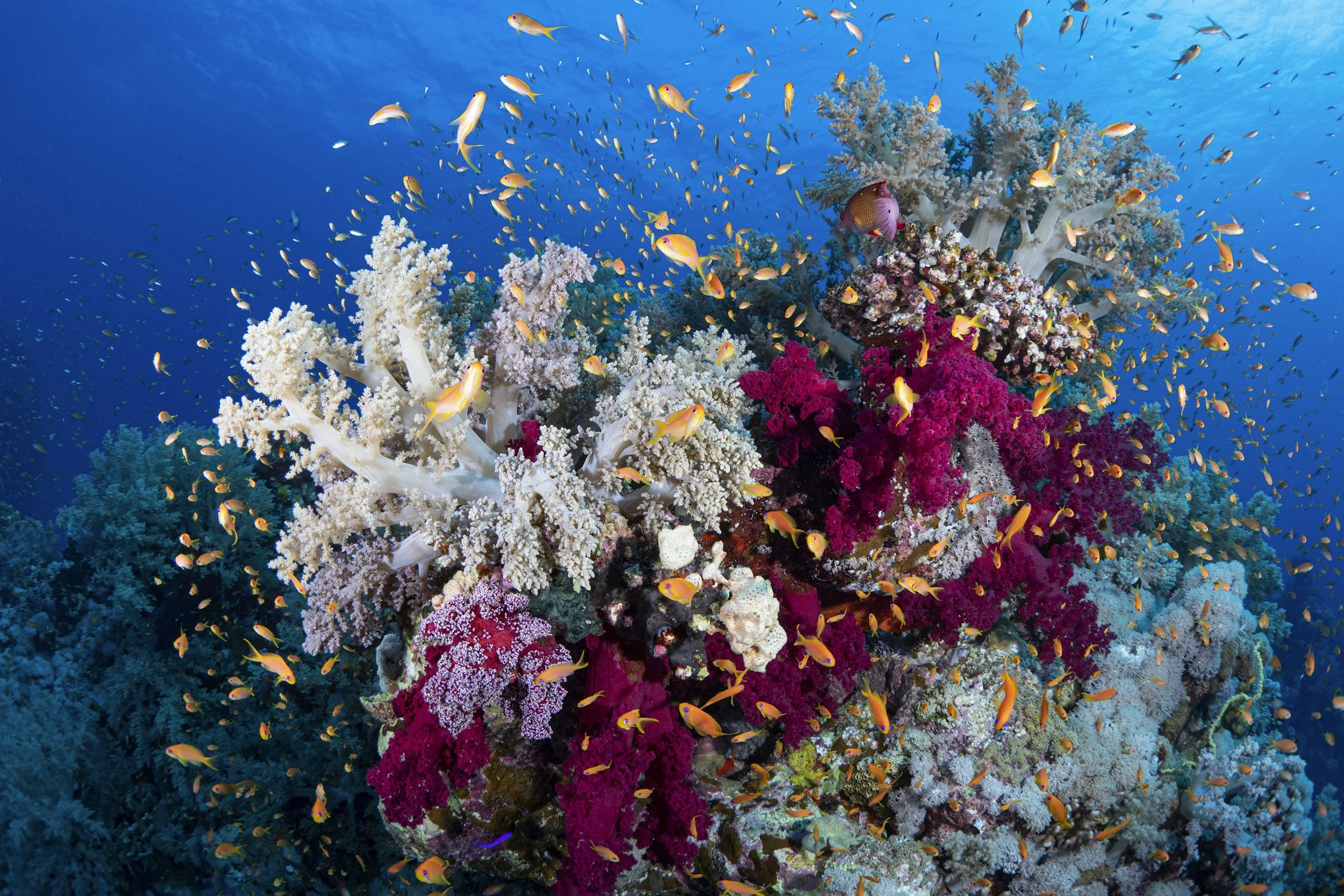
Coral Reefs
The rainforests of the sea.
Coral reefs stand as some of the most diverse and vibrant ecosystems on Earth, often described as the rainforests of the sea. These intricate underwater structures are formed by tiny coral polyps whose calcium carbonate skeletons build the foundation for a complex habitat supporting countless marine species. Beyond their ecological significance, coral reefs protect coastlines, support fisheries, and inspire human creativity. Understanding their delicate balance and the threats they face is essential to preserving their beauty and vitality for generations to come.